
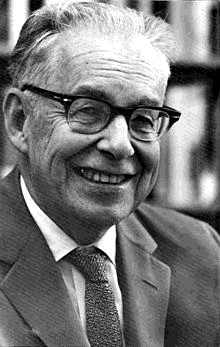
Image: Charles Richter (1970) - Wikipedia
Today we celebrate the birth of the inventor of the Richter Magnitude Scale. Born on April 26, 1900, American seismologist Charles F. Richter (1900–1985) invented the Richter Scale in 1935 which, until the development of the moment magnitude scale in 1979, quantified the size of earthquakes, according to Wikipedia.
Richter was born in Overpeck, Ohio. His parents (Fred W. Kinsinger and Lillian Anna Richter) were divorced when he was very young. He grew up with his maternal grandfather, who moved the family (including his mother) to Los Angeles in 1909. After graduating from Los Angeles High School he attended Stanford University and received his undergraduate degree in 1920. In 1928, he began work on his PhD in theoretical physics from the California Institute of Technology, but, before he finished it, he was offered a position at the Carnegie Institute of Washington. At this point, he became fascinated with seismology (the study of earthquakes and the waves they produce in the earth). Thereafter, he worked at the new Seismological Laboratory in Pasadena, under the direction of Beno Gutenberg. In 1932, Richter and Gutenberg developed a standard scale to measure the relative sizes of earthquake sources, called the Richter scale. In 1937, he returned to the California Institute of Technology, where he spent the rest of his career, eventually becoming professor of seismology in 1952. Charles Richter has German heritage: his great-grandfather came from Baden-Baden (Baden-Württemberg, Germany) in 1848 due to "political disturbances".
Richter went to work at the Carnegie Institute in 1927 after Robert Millikan offered him a position as a research assistant there, where he began a collaboration with Beno Gutenberg. The Seismology Lab at the California Institute of Technology wanted to begin publishing regular reports on earthquakes in southern California and had a pressing need for a system of measuring the strength of earthquakes for these reports. Together, Richter and Gutenberg devised the scale that would become known at the Richter scale to fill this need, based on measuring quantitatively the displacement of the earth by seismic waves, as Kiyoo Wadati had suggested.
The pair designed a seismograph that measured this displacement and developed a logarithmic scale to measure intensity. The name "magnitude" for this measurement came from Richter's childhood interest in astronomy - astronomers measure the intensity of stars in magnitudes. Gutenberg's contribution was substantial, but his aversion to interviews contributed to his name being left off the scale. After the publication of the proposed scale in 1935, seismologists quickly adopted it for use in measuring the intensity of earthquakes.
Richter remained at the Carnegie Institute until 1936, when he obtained a post at the California Institute of Technology, where Beno Gutenberg worked. Gutenberg and Richter published Seismicity of the Earth in 1941. Its revised edition, published in 1954, is considered a standard reference in the field.
Richter became a full professor at the California Institute of Technology in 1952. In 1958, he published Elementary Seismology based on his undergraduate teaching notes. As Richter never published in peer-reviewed scientific journals, that is often considered his most important contribution to seismology. Richter spent 1959 and 1960 in Japan as a Fulbright scholar.[4] Around this time in his career, he became involved in earthquake engineering through development of building codes for earthquake prone areas. The city government of Los Angeles removed many ornaments and cornices from municipal buildings in the 1960s as a result of Richter's awareness campaigns.
After the 1971 San Fernando earthquake, the city cited Richter's warnings as important in preventing many deaths. Richter had retired in 1970.
The Richter Scale measures the amount of energy released by an earthquake by measuring the magnitude or seismic waves produced. The Richter Scale measures from 0 to 9. On the scale, each increase in number represents an earthquake 10 times more powerful. At 4.5 an earthquake can damage buildings and structures. At 7 on the Richter scale, severe and catastrophic damage can occur.
Deadliest/ Strongest Earthquakes:
August 24, 70: Mount Vesuvius, Italy erupts, burying Pompeii and Herculaneum. Thousands killed.
January 23, 1556: Shaanxi province, China. Deadliest earthquake in history kills 830,000 people.
April 18, 1906: The famous San Francisco earthquake and fire. 7.8 on the Richter scale.
December 16, 1920: Gansu province, 200,000 killed. 8.6 on the Richter scale.
September 1, 1923: Tokyo and Yokahoma, Japan. 8.3 magnitude earthquake destroys 1/3 of Tokyo and most of Yokohama. Over 140,000 killed.
May 22, 1927: Xining, China: 8.3 magnitude earthquake, approximately 200,000 killed.
May 22, 1960: Strongest earthquake ever recorded, at 9.5 magnitude, occurs off the coast of Chile.
In 1964, Alaskan earthquake measured 8.4.
Feb. 9, 1971 - Sylmar Earthquake measured 6.6 on the Richter scale
Jan 17, 1994 - Northridge Earthquake 6.7
December 26, 2004: An earthquake measuring 9.0 on the Richter scale off the coast of Sumatra, Indonesia creates the deadliest Tsunami in history. The waves reach numerous Asian and African countries. More than 225,000 killed, millions homeless.
October 2, 2005: Kashmir, Pakistan, a 7.6 magnitude earthquake kills more than 80,000 people.
Today we celebrate the birth of the inventor of the Richter Magnitude Scale. Born on April 26, 1900, American seismologist Charles F. Richter (1900–1985) invented the Richter Scale in 1935 which, until the development of the moment magnitude scale in 1979, quantified the size of earthquakes, according to Wikipedia.
Richter was born in Overpeck, Ohio. His parents (Fred W. Kinsinger and Lillian Anna Richter) were divorced when he was very young. He grew up with his maternal grandfather, who moved the family (including his mother) to Los Angeles in 1909. After graduating from Los Angeles High School he attended Stanford University and received his undergraduate degree in 1920. In 1928, he began work on his PhD in theoretical physics from the California Institute of Technology, but, before he finished it, he was offered a position at the Carnegie Institute of Washington. At this point, he became fascinated with seismology (the study of earthquakes and the waves they produce in the earth). Thereafter, he worked at the new Seismological Laboratory in Pasadena, under the direction of Beno Gutenberg. In 1932, Richter and Gutenberg developed a standard scale to measure the relative sizes of earthquake sources, called the Richter scale. In 1937, he returned to the California Institute of Technology, where he spent the rest of his career, eventually becoming professor of seismology in 1952. Charles Richter has German heritage: his great-grandfather came from Baden-Baden (Baden-Württemberg, Germany) in 1848 due to "political disturbances".
Richter went to work at the Carnegie Institute in 1927 after Robert Millikan offered him a position as a research assistant there, where he began a collaboration with Beno Gutenberg. The Seismology Lab at the California Institute of Technology wanted to begin publishing regular reports on earthquakes in southern California and had a pressing need for a system of measuring the strength of earthquakes for these reports. Together, Richter and Gutenberg devised the scale that would become known at the Richter scale to fill this need, based on measuring quantitatively the displacement of the earth by seismic waves, as Kiyoo Wadati had suggested.
The pair designed a seismograph that measured this displacement and developed a logarithmic scale to measure intensity. The name "magnitude" for this measurement came from Richter's childhood interest in astronomy - astronomers measure the intensity of stars in magnitudes. Gutenberg's contribution was substantial, but his aversion to interviews contributed to his name being left off the scale. After the publication of the proposed scale in 1935, seismologists quickly adopted it for use in measuring the intensity of earthquakes.
Richter remained at the Carnegie Institute until 1936, when he obtained a post at the California Institute of Technology, where Beno Gutenberg worked. Gutenberg and Richter published Seismicity of the Earth in 1941. Its revised edition, published in 1954, is considered a standard reference in the field.
Richter became a full professor at the California Institute of Technology in 1952. In 1958, he published Elementary Seismology based on his undergraduate teaching notes. As Richter never published in peer-reviewed scientific journals, that is often considered his most important contribution to seismology. Richter spent 1959 and 1960 in Japan as a Fulbright scholar.[4] Around this time in his career, he became involved in earthquake engineering through development of building codes for earthquake prone areas. The city government of Los Angeles removed many ornaments and cornices from municipal buildings in the 1960s as a result of Richter's awareness campaigns.
After the 1971 San Fernando earthquake, the city cited Richter's warnings as important in preventing many deaths. Richter had retired in 1970.
The Richter Scale measures the amount of energy released by an earthquake by measuring the magnitude or seismic waves produced. The Richter Scale measures from 0 to 9. On the scale, each increase in number represents an earthquake 10 times more powerful. At 4.5 an earthquake can damage buildings and structures. At 7 on the Richter scale, severe and catastrophic damage can occur.
Deadliest/ Strongest Earthquakes:
August 24, 70: Mount Vesuvius, Italy erupts, burying Pompeii and Herculaneum. Thousands killed.
January 23, 1556: Shaanxi province, China. Deadliest earthquake in history kills 830,000 people.
April 18, 1906: The famous San Francisco earthquake and fire. 7.8 on the Richter scale.
December 16, 1920: Gansu province, 200,000 killed. 8.6 on the Richter scale.
September 1, 1923: Tokyo and Yokahoma, Japan. 8.3 magnitude earthquake destroys 1/3 of Tokyo and most of Yokohama. Over 140,000 killed.
May 22, 1927: Xining, China: 8.3 magnitude earthquake, approximately 200,000 killed.
May 22, 1960: Strongest earthquake ever recorded, at 9.5 magnitude, occurs off the coast of Chile.
In 1964, Alaskan earthquake measured 8.4.
Feb. 9, 1971 - Sylmar Earthquake measured 6.6 on the Richter scale
Jan 17, 1994 - Northridge Earthquake 6.7
December 26, 2004: An earthquake measuring 9.0 on the Richter scale off the coast of Sumatra, Indonesia creates the deadliest Tsunami in history. The waves reach numerous Asian and African countries. More than 225,000 killed, millions homeless.
October 2, 2005: Kashmir, Pakistan, a 7.6 magnitude earthquake kills more than 80,000 people.